


- 德国HYDRO-BIOS公司
- 丹麦KC-Denmark公司
- 德国SubCtech公司
- 法国HYDROPTIC公司
- 青岛道万科技有限公司
- 丹麦MicroWISE公司
- 冰岛Star Oddi公司
- 德国AMT公司
- 英国RS AquaE公司
- 英国Valeport公司
- 英国C-MAX公司
- 英国Impact Subsea公司
- 加拿大AML公司
- 加拿大Pro-Oceanus公司
- 加拿大Metocean公司
- 加拿大RBR公司
- 挪威Aanderaa公司
- 芬兰Vaisala公司
- 美国Apogee公司
- 美国Licor公司
- 美国JW Fishers公司
- 美国Seapoint公司
- 美国Kovacs公司
- 美国SeaView System公司
- 美国SONOTRONICS公司
- 美国Turner Designs公司
- 美国SofarOcean公司
- 美国PST公司
- 青岛水德科技有限公司
-
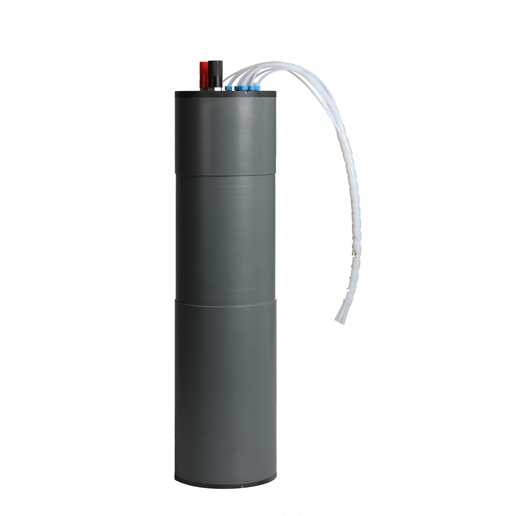 WATERTOOLS: In-Situ Nutrient Analyzer
The in-situ nutrient analyzer is a chemical analyzer suitable for shallow water areas. Dissolved nutrients including ammonia (NH3-N), nitrite (NO2-N), nitrate (NO3-N), phosphate (PO4-P) and silicate (SiO2-Si) can be measured. It is small in size, easy to carry and apply to install on buoys, shore stations, survey ships and other monitoring platforms. It is suitable for ocean, estuary, river, lake and other aquatic environments. It provides high-precision, continuous and stable data for eutrophication research, phytoplankton growth research and environmental change monitoring.
-
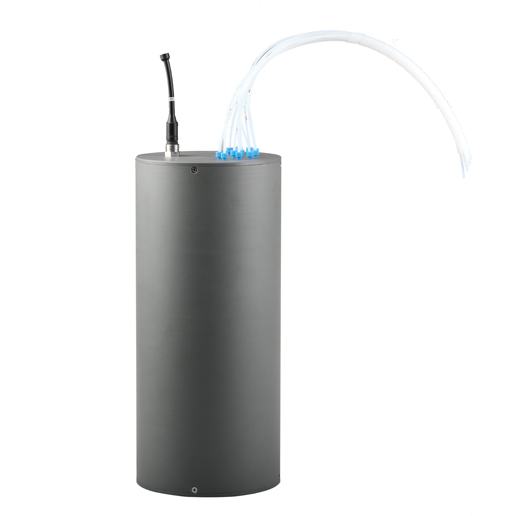 WATERTOOLS: In-Situ Seawater TN And TP Analyzer
The in-situ seawater TN and TP analyzer is an in-situ monitoring device used to detect the total nitrogen and total phosphorus concentration in water such as ocean, near shore, and estuary. It provides users with accurate, continuous and stable data to achieve water various research works including eutrophication evaluation, phytoplankton growth research, early warning of ecological disasters such as red tide, and real-time monitoring of water environment.
It can be integrated in buoys, multi-parameter monitoring systems, or run onboard, shore-based deployment to achieve unattended in-situ online monitoring. The instrument is equipped with system leak warning, detection threshold alarm and other functions, it can add automatic storage equipment to prevent data loss during transmission or remote storage failure.
-
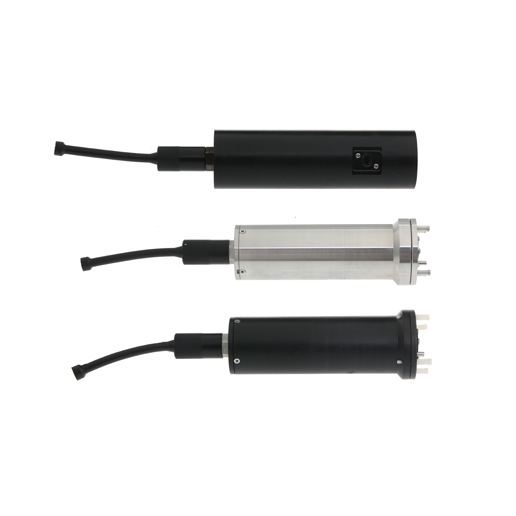 WATERTOOLS: Optical Dissolved Oxygen Sensor
Dissolved oxygen is the most important parameter in the biochemical process of aquatic environment. It is also often used as a tracer in marine research. The optical dissolved oxygen sensor is a high-performance, low-power in-situ sensor for measuring the dissolved oxygen. It has so many advantages: small size, low power consumption, fast response,high stability, etc. It can provide long-term stable, accurate and reliable dissolved oxygen measurement data, which can be widely used in marine environmental investigation and monitoring.
-
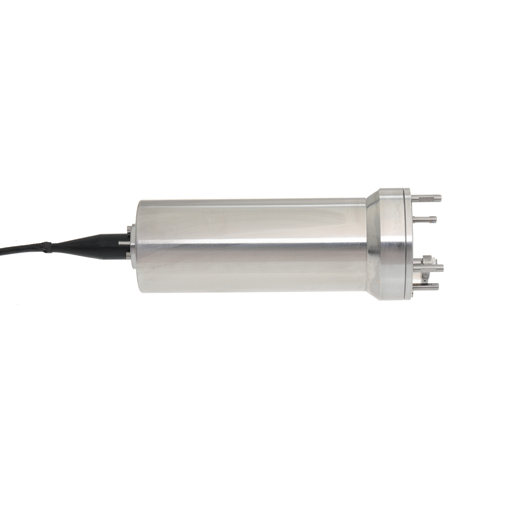 WATERTOOLS: Chlorophyll Α And Turbidity Sensor Of Seawater
The chlorophyll and turbidity sensor uses fluorescence method and light scattering method to measure the concentration of chlorophyll and turbidity in water. The sensor uses an integrated three-optical probe design and signal processing consists of three parts, which can simultaneously detect seawater chlorophyll concentration, turbidity concentration and temperature, which can automatically correct the effects of low turbidity and chlorophyll concentration when temperature changes. In addition, the sensor is equipped with mechanical brushes, effectively prevent biological adhesion.
-
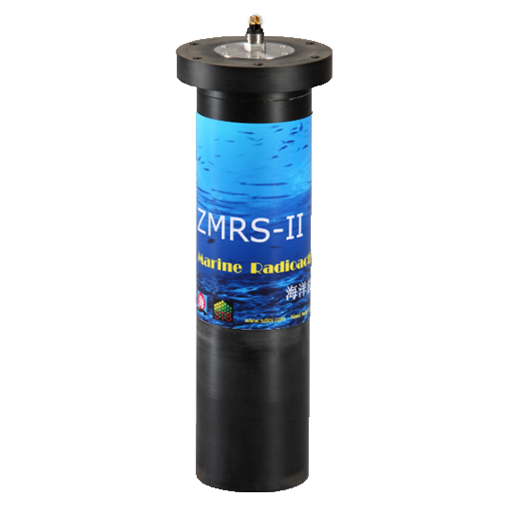 WATERTOOLS: In-Situ Aquatic Radioactivity Sensor
The in-situ aquatic radioactivity sensor is an in-situ gamma-ray spectrometer. It is developed and applied for in-situ radioactivity measuring in any aquatic environment (coastal water, open sea, groundwater, lake, river, etc.) under difficult weather conditions. The portable sensor operates autonomously, and can be installed on floating measuring systems. It provides not only the energy spectra of gamma-ray emitters due to natural and man-made radiation that released to the environment, but also the amount of radioactivity, nuclide discrimination and quantitative radionuclide analysis. It can be used for the radioactivity continuous monitoring, pollution early warning, accident emergency, science research and some other purposes.
In most countries around the world, radioactivity monitoring of seawater has been using traditional in situ sampling methods and then analyzed in the laboratory. It usually takes two to three days to get quantitative results through complex processing procedures. At present, NaI(Tl) detectors have been widely used for the rapid measurement of natural and artificial radionuclides on land, which is the concept of point source or surface source measurement. When used as an underwater sensing system for monitoring radioactivity in the marine environment, it is a concept of bulk source measurement and has different detection efficiency characteristics.
-
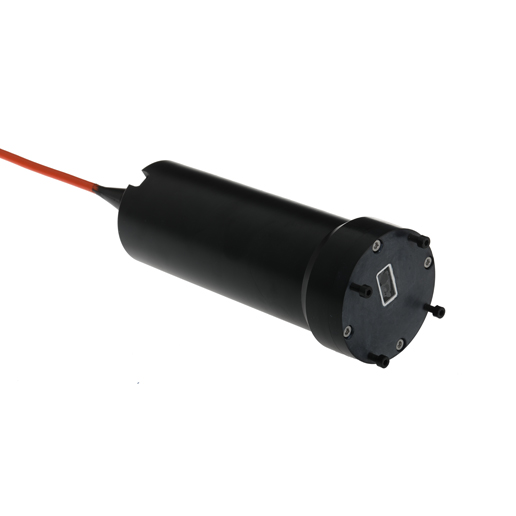 WATERTOOLS: Petroleum Hydrocarbon Sensor
The petroleum hydrocarbon sensor is a new generation of high precision sensor based on ultraviolet fluorescence analysis. The sensor is mainly composed of the excitation light source LED, photodiode and signal processing. It can measure light oil, heavy oil and water temperature at the same time. The surface of the sensor optical lens is coated to prevent oil from adhering, and it has a dual-range adaptive function to solve challenge at different concentrations.
Applications:
Suitable for water environment monitoring, drinking water production, raw water treatment, waste liquid discharge, sewage treatment, oil refineries, oil fields and so on. Reagents-free, sensitivity and selectivity, portable use help facing harsh challenge.
-
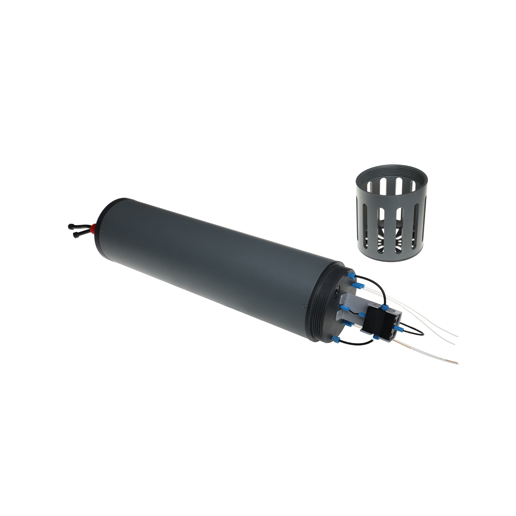 WATERTOOLS: High Precision PH Analyzer
pH reflects the acid-base state of water and is one of the most important parameters for quantitative description of marine chemical characteristics. Real-time tracking of changes in the pH of ocean sites can assess the impact of enhanced ocean acidification on ecosystems in the future, and it can also reflect changes in atmospheric CO2 concentrations and further understand the global carbon cycle. High-precision pH sensor is an in-situ sensor based on photometry.
Based on photometry. The indicator and seawater are pumped into the pipeline and mixed, and detected by the absorbance at the characteristic wavelength. The cresol purple was selected for the H+ reagent and the light intensity was determined based on colorimetry at three wavelengths, with the first-two absorptions as a known function of pH and the third absorption as a baseline correction. The measuring device includes waterway components, optical system, circuit control, and computer application processing software. It has high accuracy and good accuracy, which eliminates the need for baseline correction of the electrode detection method and meets the high standards of scientific researchers. Compared with the shortcomings of the electrode detection method, such as low accuracy and point drift, the photometric method, as a high-precision and stable performance method, has gradually become the standard method for measuring the pH of seawater.
-
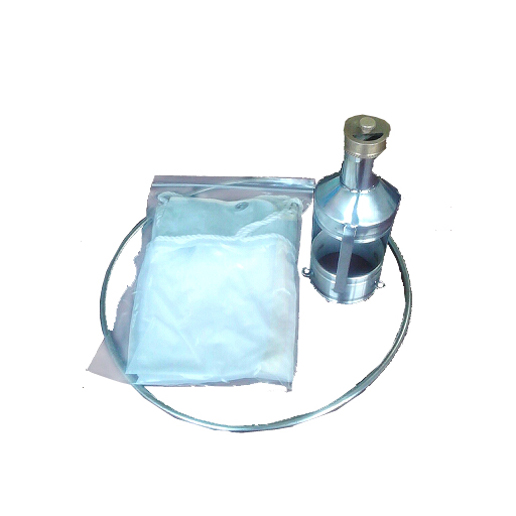 WATERTOOLS: Deepwater Plankton Net
Deepwater Plankton Net

Official WeChat

Official Website